WATER AS CURRENCY
Water As Currency is a project by Hughen/Starkweather and sound artist Joshua-Michéle Ross that explores the interconnected water systems of the San Francisco Bay Delta Estuary — a complex, vital system that supports diverse ecosystems and 25 million people including municipalities, agriculture, business, development, and increasingly, data centers.
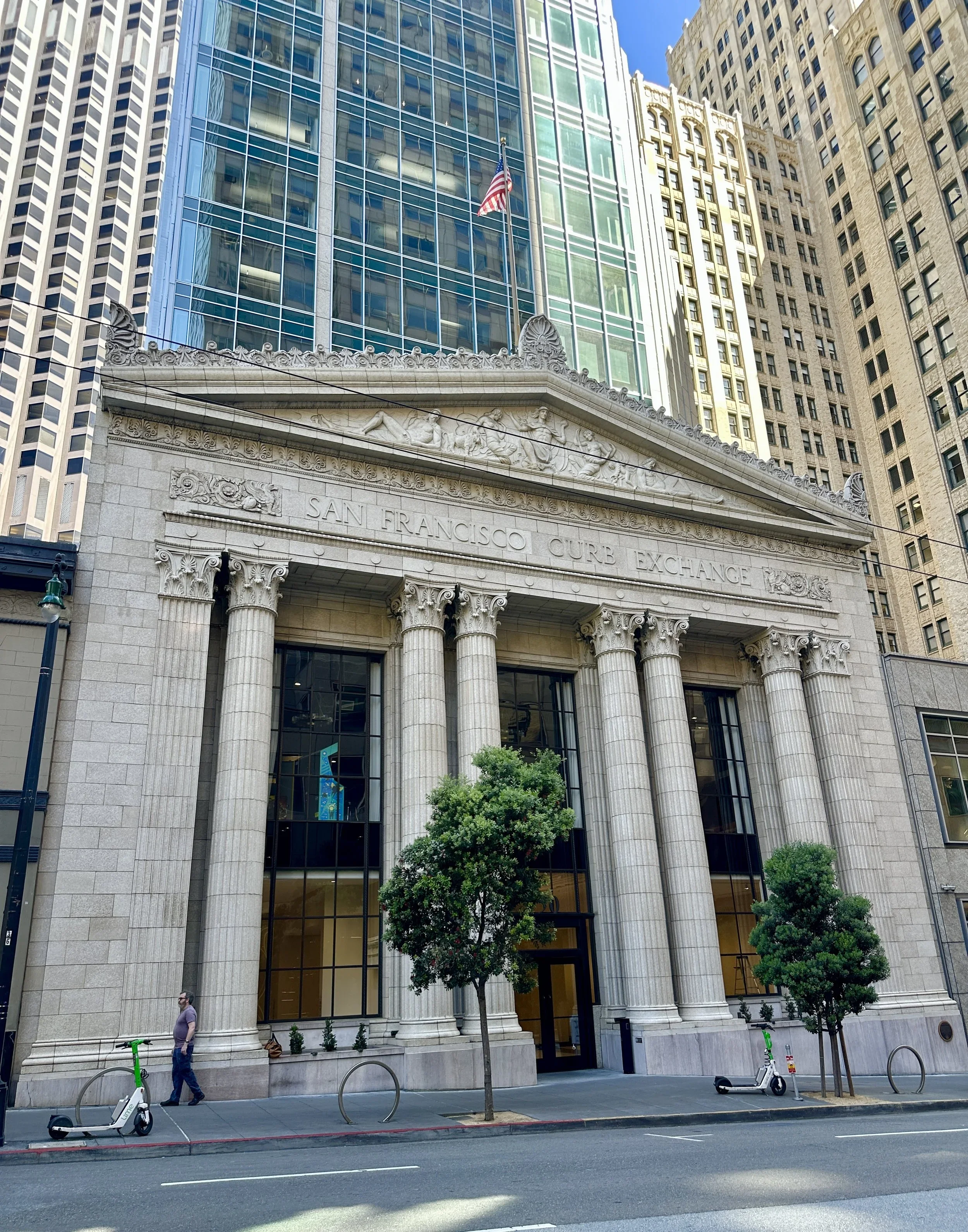
Using sounds and materials collected in the watershed, the artists reference impacts of extraction (gold, salt, sand, water) and emerging landscapes of restoration. Their site-specific, sonic-visual installation in the historic Mining Exchange building in San Francisco’s financial district takes the form of a fractured landscape and responds to practices of resource trading, technology, restoration and sustainability of this precious resource.
Mining Exchange Museum, 350 Bush St., San Francisco. April 22-September 11, 2026. Open Monday-Friday, 9am-6pm, and weekends by appointment.
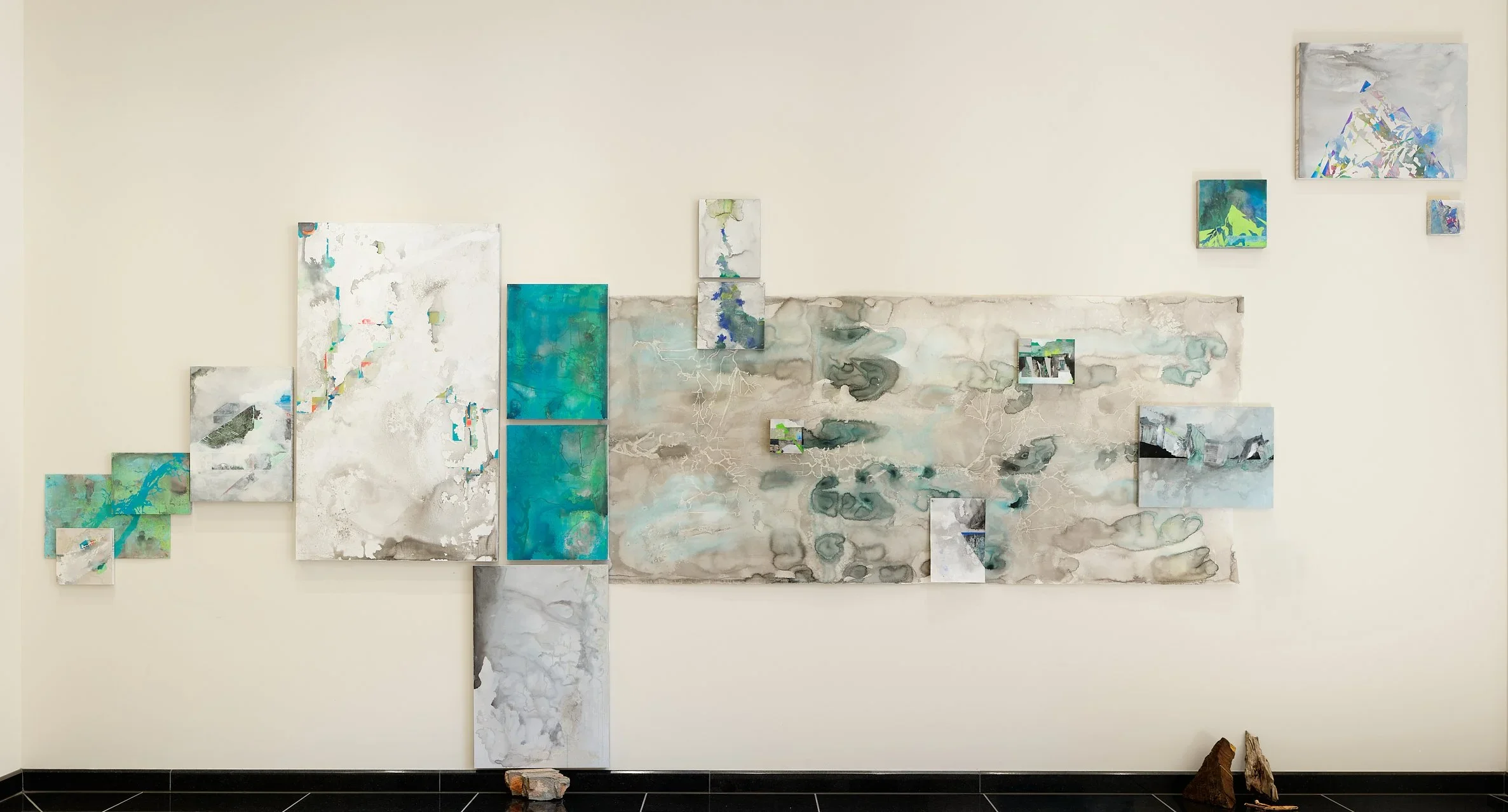
Water As Currency, installation photo by Chris Grunder. The installation references water flowing from the Sierra Nevada snowmelt to streams and rivers through the Sacramento River Delta, San Francisco Bay, and the mouth of the Pacific Ocean. This vast interconnected system has been dramatically altered by human engineering and extraction (gold, salt, sand, and water) over the past 170 years and is increasingly fragile because of rising demand and intensifying climate pressures. Colors reference snowmelt, fog, flood, algae blooms, smoke, and ash.
The 19 minute composition follows water as it moves from rain and snowmelt in the Sierra Nevadas to the wetland marshes, salt ponds, and finally, the Pacific.
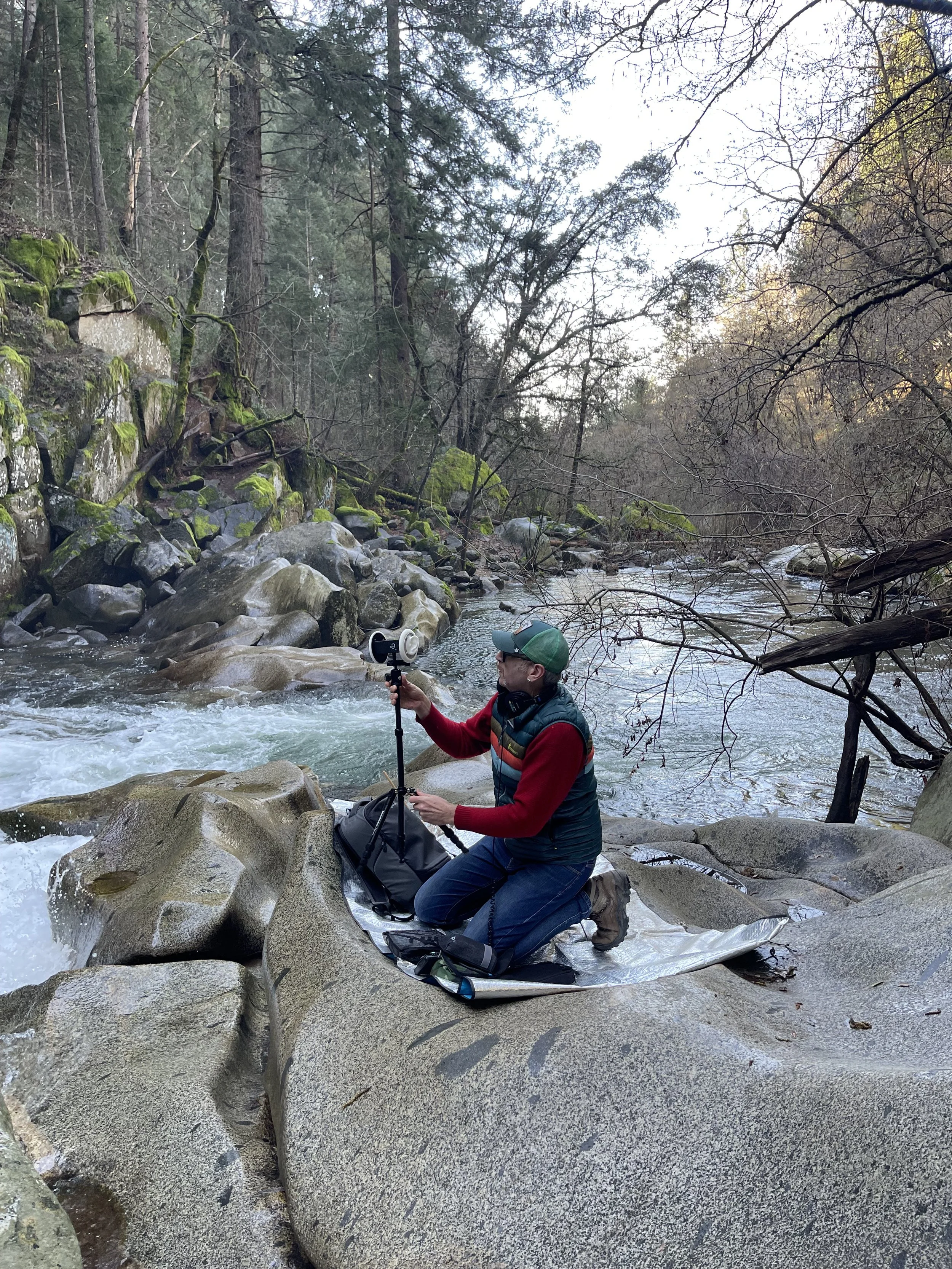
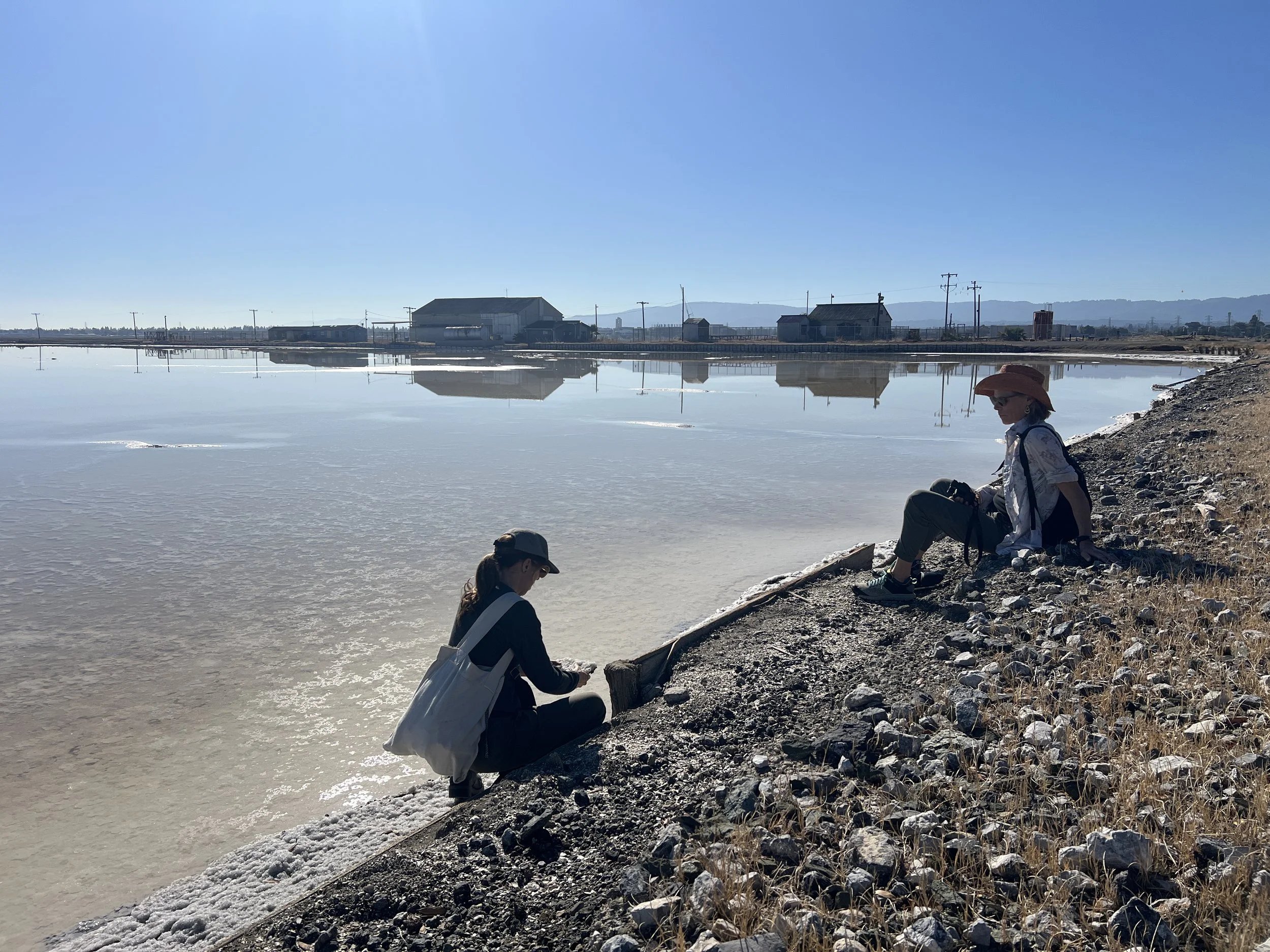
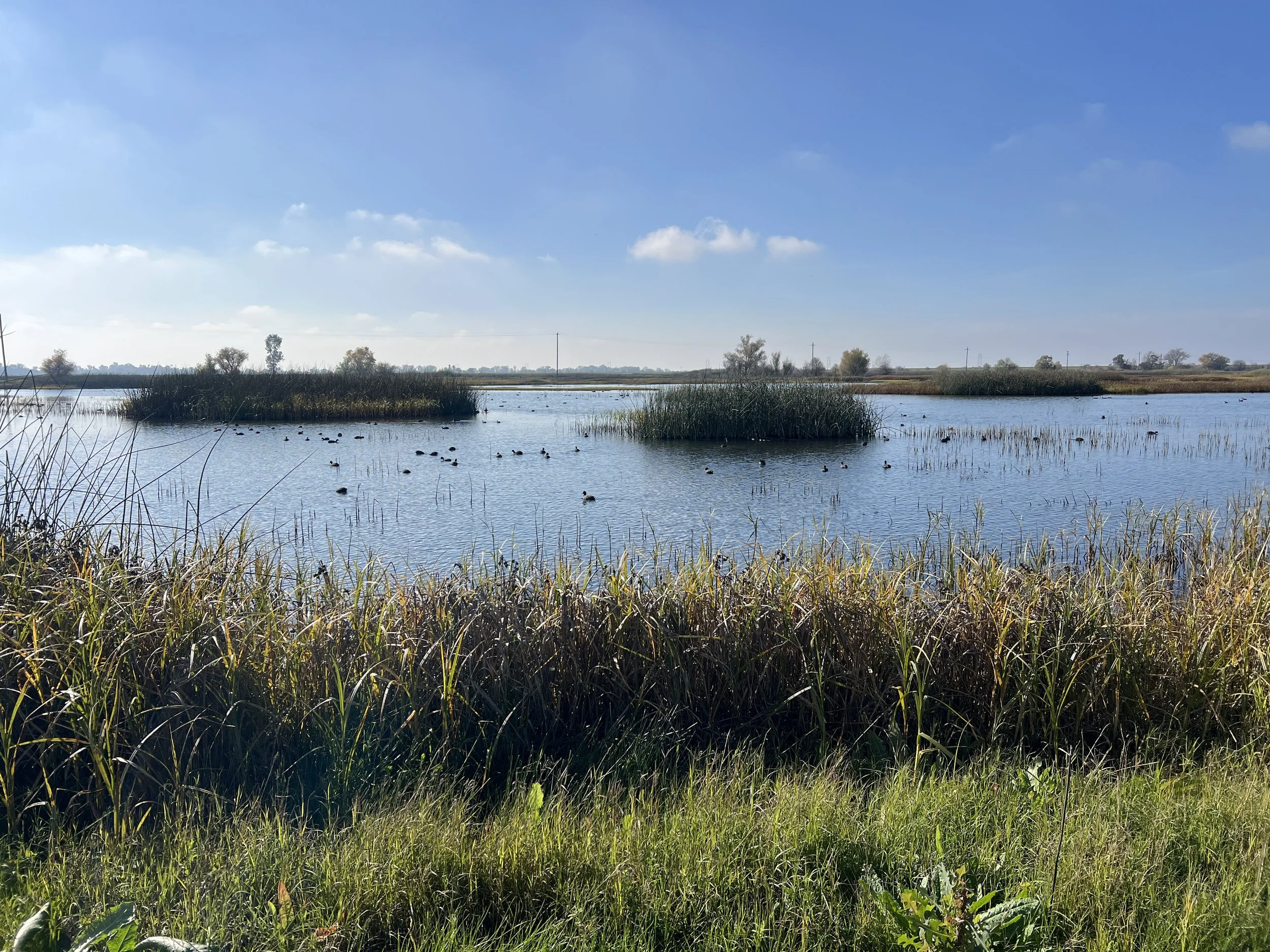
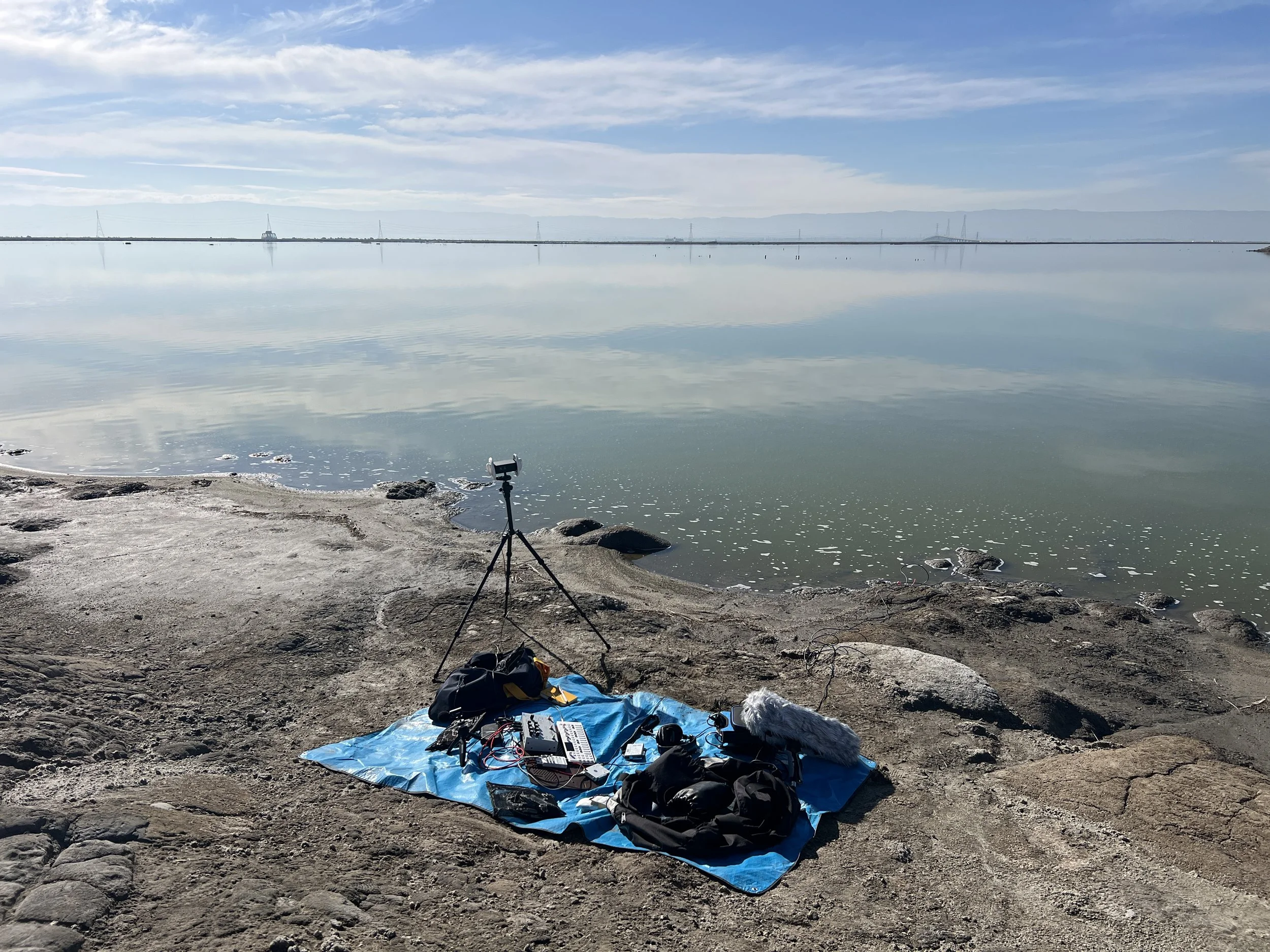
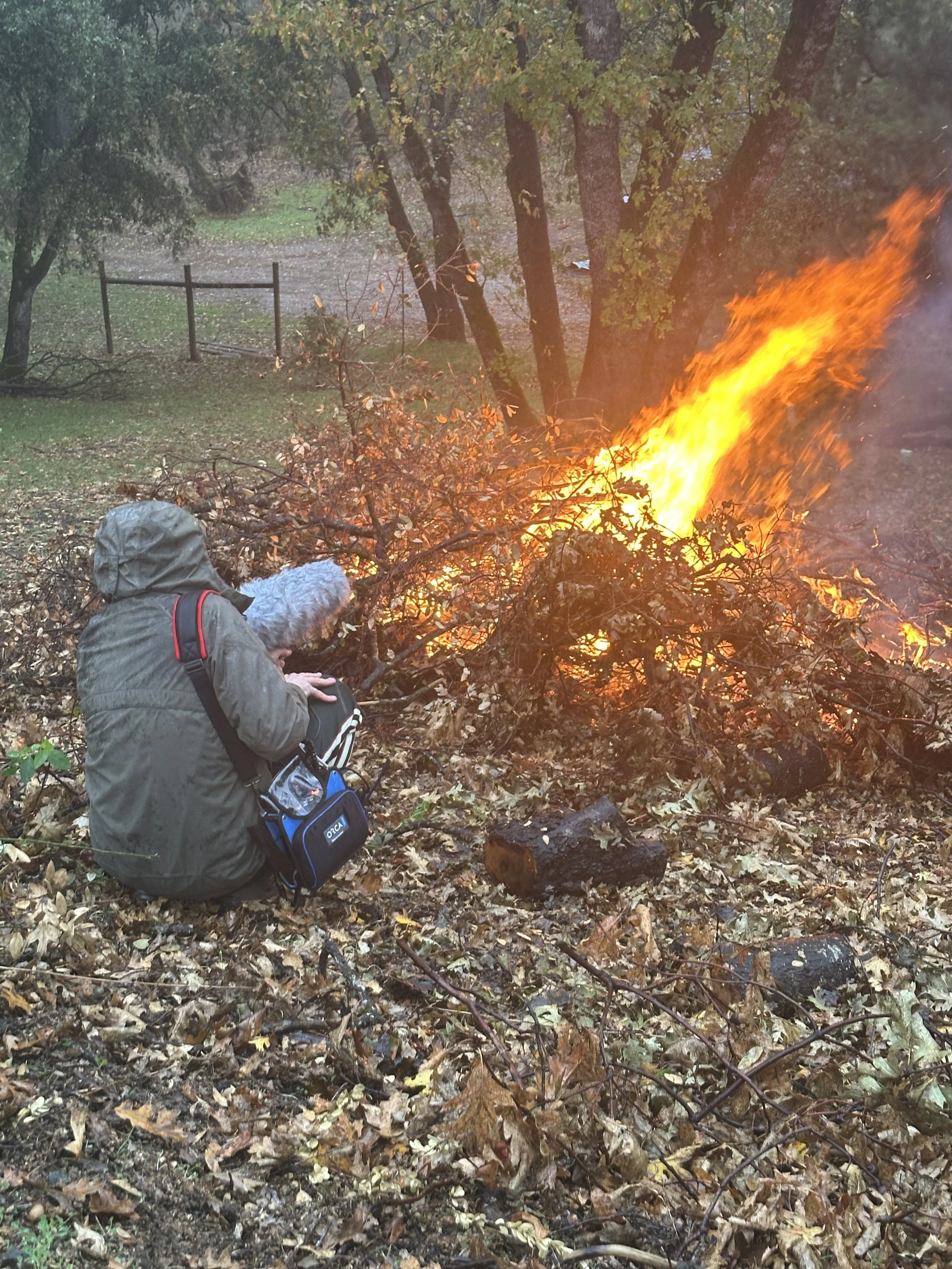
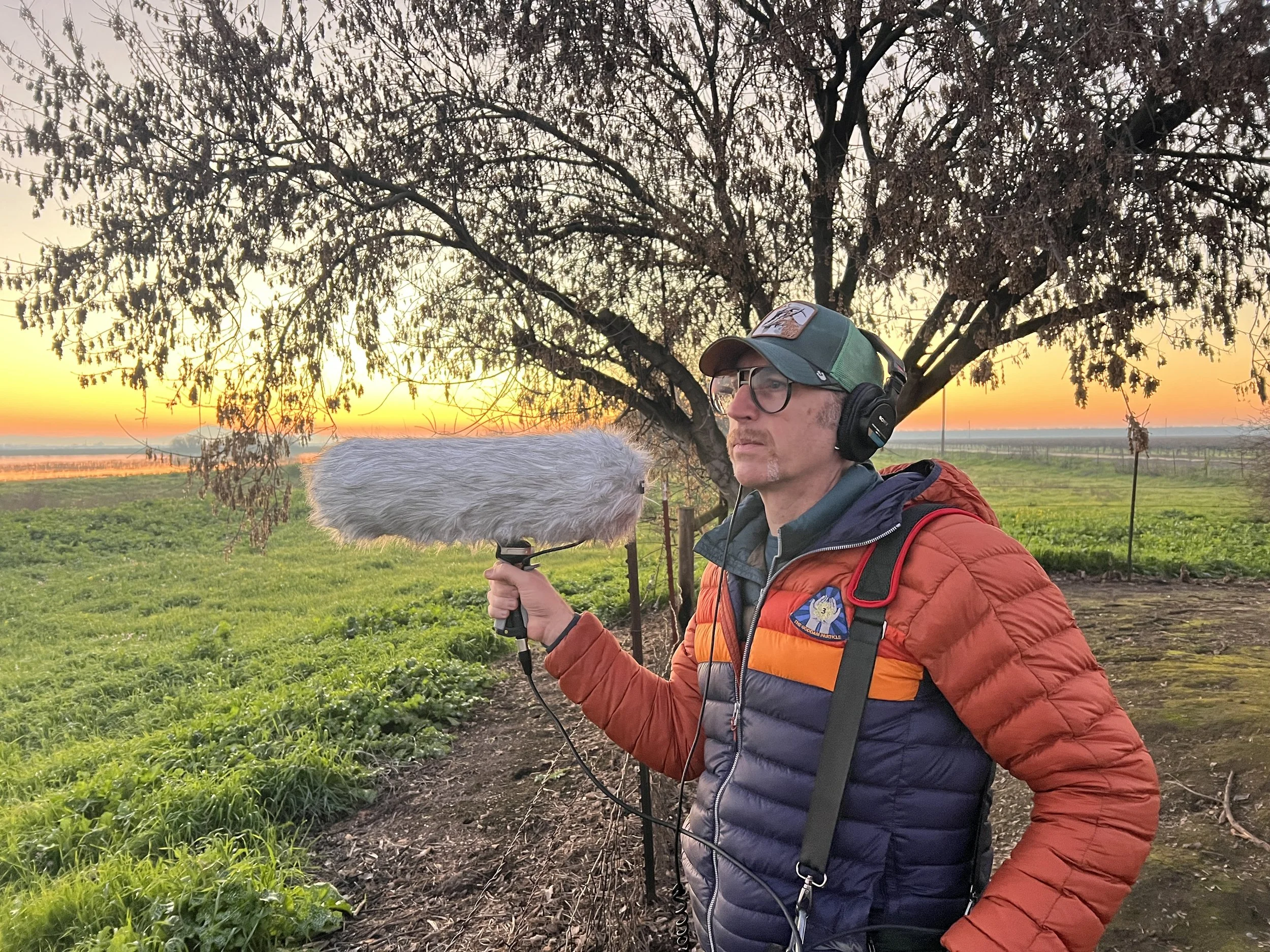
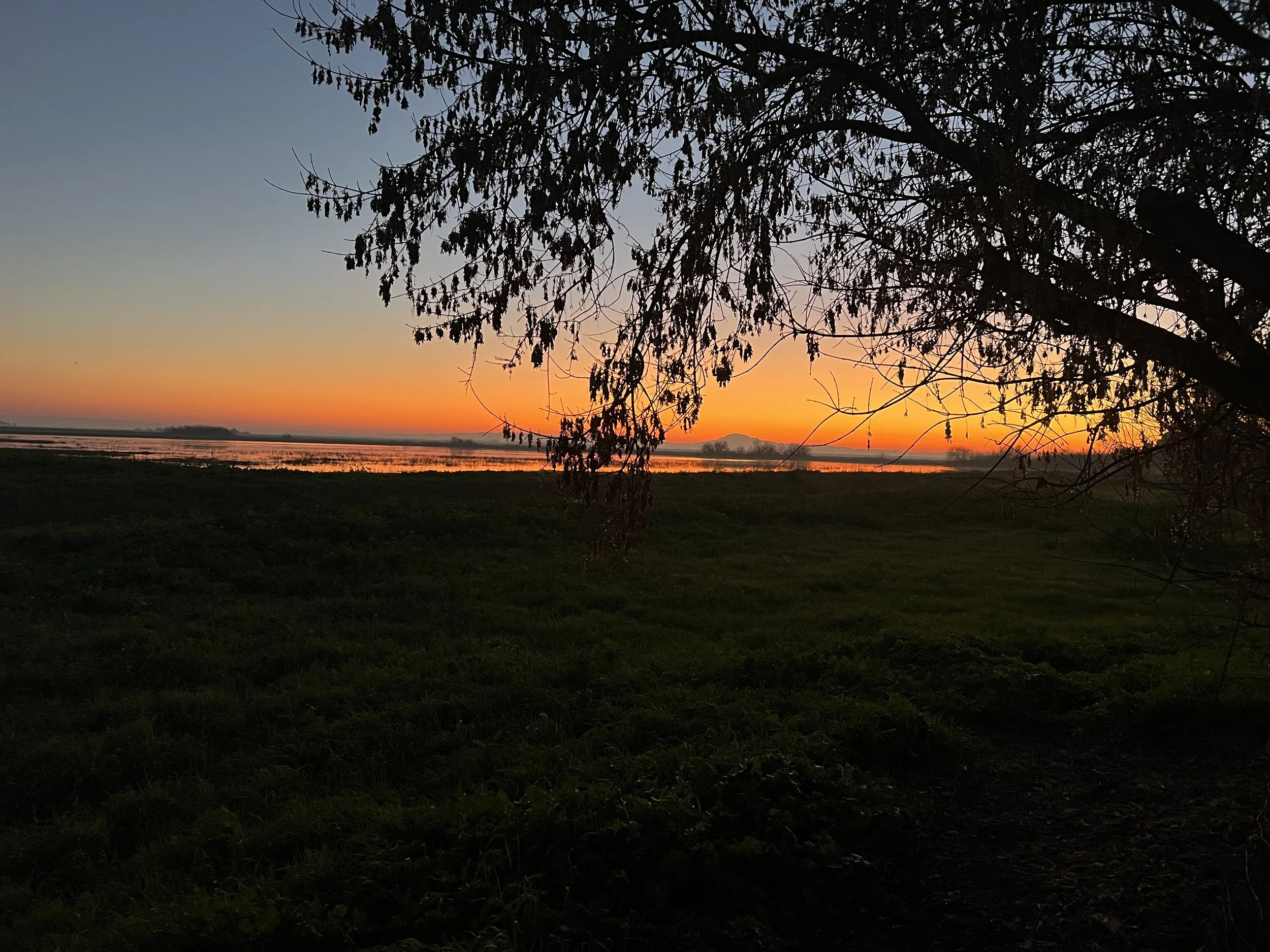
I worked at sites where people have been in long and consequential relationships with water, and the extraction of precious resources; including Malakoff Diggins, the San Francisco Bay salt ponds, the Woodbridge Ecological Reserve, and the Yolo Bypass. At each site, I placed microphones in the environment and improvised compositions in response, allowing the sounds of water, wildlife, and place to shape the work. These pieces were edited together in my studio where I added field recordings of infrastructure - from old dynamite packing machines, Pelton wheel, and bellows - to present day electromagnetic hums, and sand dredgers.